Gavrilović Zimska for the Summer Villa in Novi Vinodol
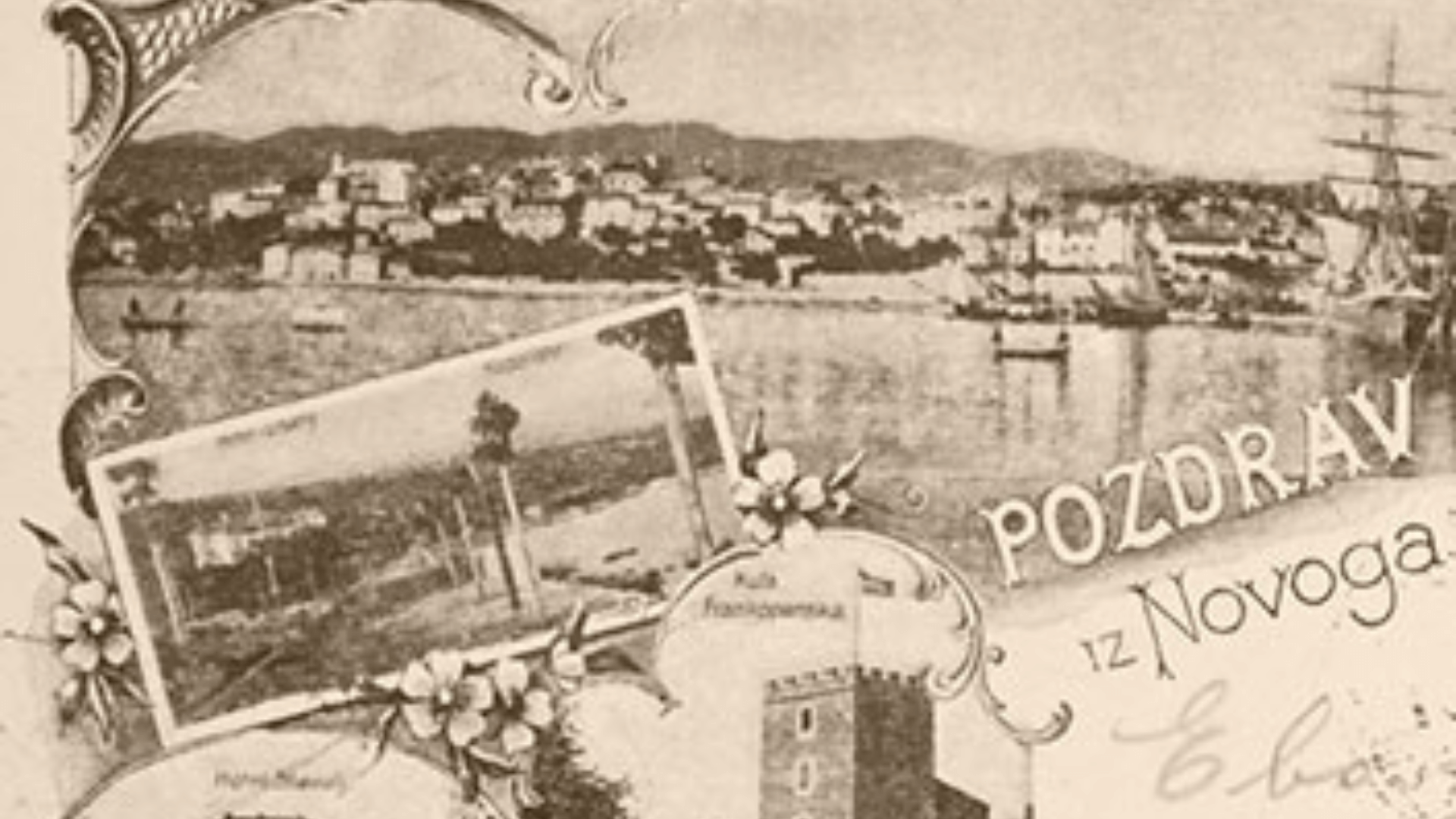
The first Gavrilović’s came to Novi Vinodol by train. Although Gjuro Gavrilović I had already owned an automobile for ten years, they would travel by train to procure and transport greater quantities of food. However, the train only rode to Plase – the station before Novi Vinodol. Basic foodstuff such as salt, sugar, flour, lard and honey; and then meat in lard, hams, bacons and other cured meat products from the wide selection of Gavrilović goods, were transported from the station by a horse-pulled carriage.
The road leading to his villa was not long, but with its bends and steep inclines was somewhat risky for the horse and carriage that was full of food. The villa was built by Count Oršić in 1902 and bought by Uncle Stephen, the oldest of the three Gavrilović brothers who were the Heads of the Gavrilović Company at that time.
Foodstuffs and provisions at the villa were always in abundance due to the many guests that were either constant or permanent visitors. One of the villa’s permanent guests, for example, was the eminent painter and graphic artist Menci Klement Crnčić, whose villa was in the near vicinity. The villa was located in one of the most attractive spots in that area, right above the Lišanj Inlet. Most of the family villas there still attract many domestic and foreign tourists with their mysterious female names like Nikolina, Marija, Olga, Sofija, Angelina, etc. The crown jewel of this most-appealing central part of the Old Town is the luxurious Lišanj Hotel, designed by Ignjat Fischer, an architect from Zagreb. It is believed that he is the same architect that designed the Oršić (Gavrilović) Villa as well. There is no written document to substantiate this presumption; however, due to similarities in design that it shares with the Lišanj Hotel, one can presuppose that they were designed by one and the same person.
In the first decades of the 20th century, Fischer’s name was one of the most sought-out and most prevalent among Zagreb architects. Fischer designed ‘’half of downtown,’’ so to speak. His projects included the Kashtner and Ohler building at the beginning of Ilica Street, now present-day Nama; Arko’s Liquor Factory and Headquarters in Vlaška Street; and Arko’s two residential buildings on the Dolac Market. Marija Jurić Zagorka lived and wrote her novels in one of them. Fischer was a co-architect in the design of the Croatian Parliament Building on St. Mark’s Square, as well as the designer of the bordels in Tkalčićeva Street. He also designed the Zagreb Savings Bank and City Coffeehouse on Ban Jelačić Square.
Menci Klement Crnčić left behind many significant panoramic paintings of inlets and islands from Novi Vinodol. Whenever he wasn’t painting or busy with his summer art school held in Novi Vinodol for his students from Zagreb, or when he himself wasn’t entertaining any guests – mainly friends and art colleagues from Zagreb – Crnčić would visit the Gavrilović in their neighbouring villa. They would drink coffee or tea, served in Grandmother Paula’s salon. She was always responsible for welcoming guests, even though there was a full house of Gavrilović at the villa. Grandmother Paula, thus, never went for a swim, let alone a suntan, and she was always ready to serve any guests. She would spend her free time reading a book or working on some needlework in the gazebo.
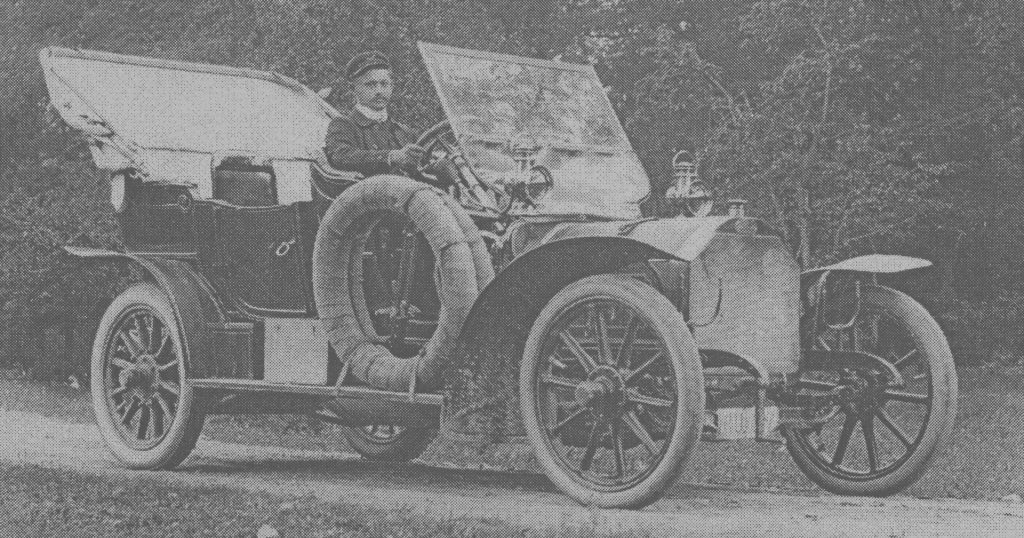
Because of Grandmother Paula’s support, Gjuro II, her son, lived his life to the fullest, and every so often would hurry – either by motorbike or by automobile – to his favourite seaside destination. Given the avid sportsman he was, winner of many awards, medals and laurel wreaths in automobile and motorcycle races, driving the distance from Zagreb or Petrinja to Novi Vinodol was but a trifle for Gjuro. He was never lacking in attractive lady-friends who would accompany him for an even more enjoyable ride. They would be seated on the open seat or in the passenger side of the vehicle. The family still has a collection of old, black-and-white, faded photographs where we see Gjuro with his vibrant circle of friends on the Novalja beach, always with their gramophone to stimulate the youthful seaside atmosphere.
Gjuro II, sports star, automobile champion, and of all the Gavrilović the one who visited Novi Vinodol the most, loved his car and loved the road. On one occasion in one of Gjuro’s drives from Novi Vinodol to Zagreb, Gjuro almost lost his life. Dum Dum bullets were fired on his car from a grove near the city of Ogulin, puncturing his tires and breaking the windows on his car. Gjuro sustained only surface wounds from the broken glass and was saved by a medallion of St. Anthony of Padua. Gjuro’s wife, Dody, revered St. Anthony, Patron Saint of those in love. Upon visiting Padua, she brought Gjuro a steel medallion of the Saint, which he always carried in his shirt or jacket pocket, to keep near his heart. When Gjuro was attacked from the bushes near Ogulin, one of the enemy bullets hit the medallion and spared Gjuro his life. Of the passengers in the car no one else was injured. Gjuro’s wife, Dody, with their tiny children Vera and Gjuro III, were unharmed. The year was 1941 and the beginning of the Second World War.
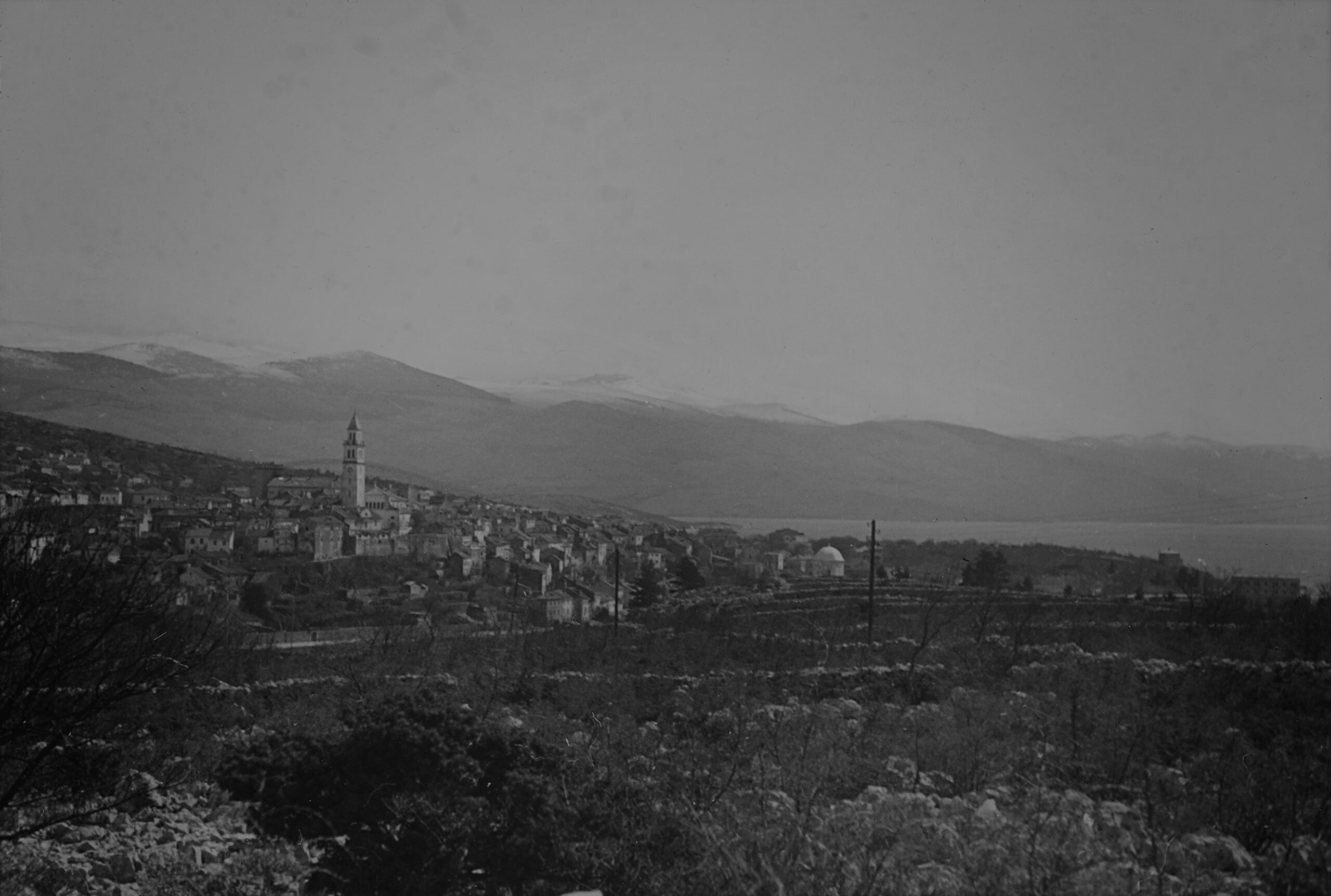
After the War ended in 1945, the villa in Novi Vinodol meets the same fate as the factory building and facilities in Petrinja – seized in the name of the people and handed over to the people for their own purposes. As a result, the Gavrilović Villa became a workers’ resort overnight. Hence, the beautiful salons on the main level were transformed into a workers’ canteen, ‘’in the name of the people’’, and the fancy Herrenzimmer studies become a chain of second-rate lavatories.
Gjuro III, present-day owner of Gavrilović, was the little one-year-old boy in the car on that fateful day when his father’s car was fired upon. In the years to come, primarily because of the War; and secondly, after its seizure, Gjuro did not have a chance to visit the family villa. He was predestined to see it as a part of the collective family memory with its images of the grand days before the war, when it was the centre of entertainment for the rich and famous, and belonging to the oldest and most popular Petrinja-Zagreb family in the meat business.
The most famous of all the guests at the Gavrilović residences both in Petrinja and Novi Vinodol, was the ‘’Queen of the MET’’, Zinka Kunc – one of the most famous opera divas in her time, and member of the world’s first opera house – the Metropolitan in Manhattan. She would visit Novi Vinodol with her husband Vilfan, often accompanied by her brother, pianist and composer, Božidar Kunc, and his wife. It is recorded that Zinka’s husband, Vilfan, was openly jealous of the flattering compliments paid to his famous wife and her international career. He felt lacking of praise himself, especially when, in all the praises going around, he was defeated by his own brother-in-law, pianist and composer Božidar Kunc, and by the young and talented pianist, Stipica Radić – grandson of one of Croatia’s leading politicians, Stjepan Radić. If we add the pianist Mira Malenčec Cekuš, who married into the family, as well as her sister-in-law, sister of the famous composer, Šulek, it is no wonder that the family proudly saw themselves as a true ‘’artistic circle’’. These famous artists would gather at the Gavrilović summer residence in Novi Vinodol and there was naturally no charge for guests in the area, especially those from the neighbouring Katz Hotel.
The modern private entrepreneur that he was, Gjuro III could not be satisfied with simply memories and tales of his family’s past. He took the first opportunity offered to him and purchased the Gavrilović Villa in the early 1990s, albeit a second time. It was worth the cost because now he was in charge of what was to take place there; for instance, biker rallies or regattas – with an anchored boat in the Vinodol harbour, named Gavrilović. The patron was none other than the famous family legend, Jelica; naturally, quite old by then. Gjuro III invites his own guests and in the last decade the most important guest was European Parliament Member, Doris Pack, who advocated the entrance of Croatia into the European Union.
It was all worth it – as Master Gjuro would say in his own quiet and discreet way – if for nothing else, then to prove to himself once more that Gavrilović Zimska in a summer scene is equally for the famous and unknown; for private and prominent guests; as well as, naturally, in mass commercial tourism, a winning combination.