Gavrilović Art gallery

Art as food. Or is it the other way around? No matter how you turn it, Gavrilović is easy to enjoy.

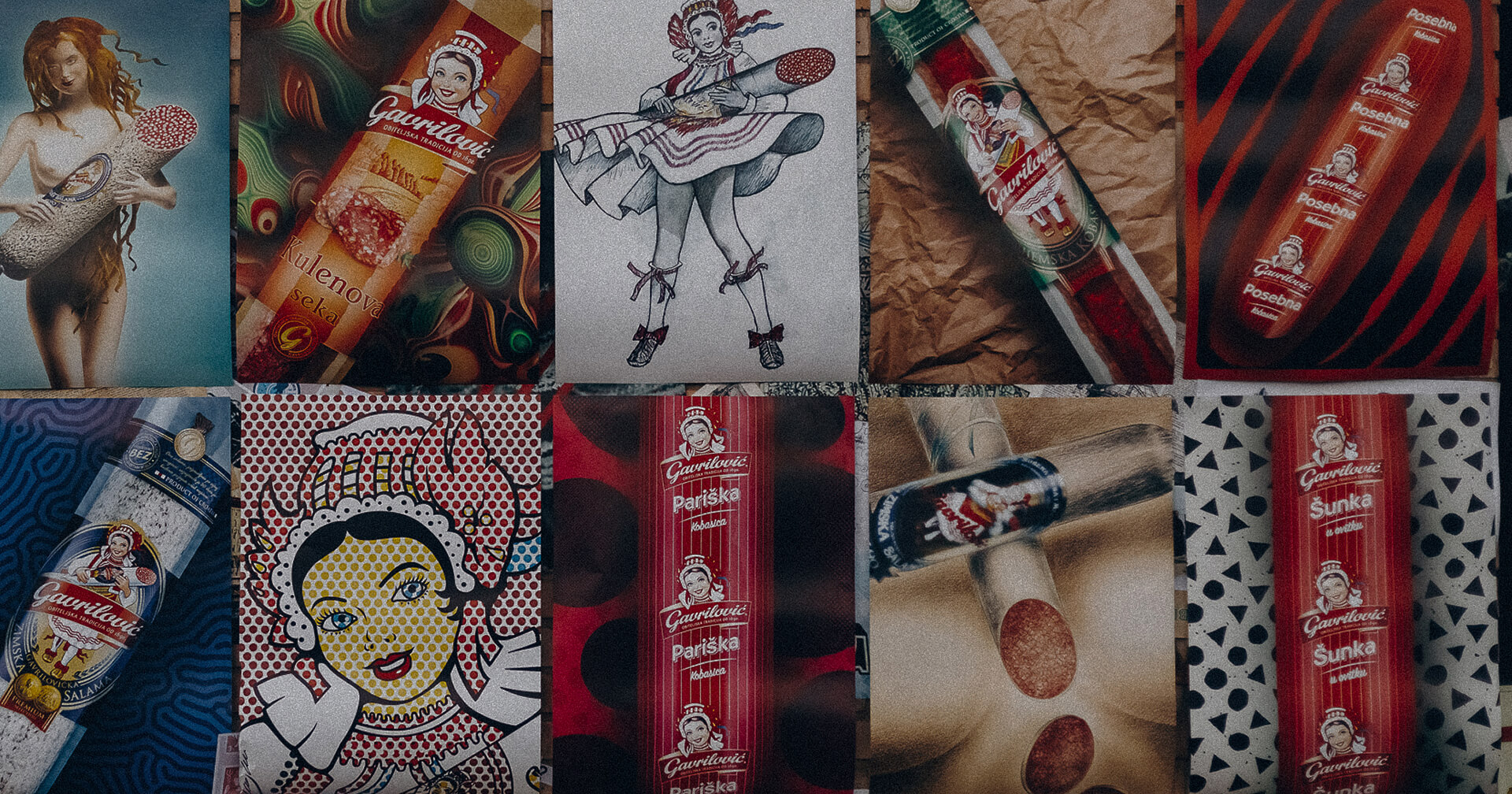
This is how Croatian artists see us – then and now. The original motifs of Jelica and Gavrilovićka serve us well a whole century after their inception, but they become even more interesting unpacked, refreshed, rearranged and placed within the modern context, or presented in a brand new way. We like this different view of Gavrilović and the centuries-old tradition that we cherish.
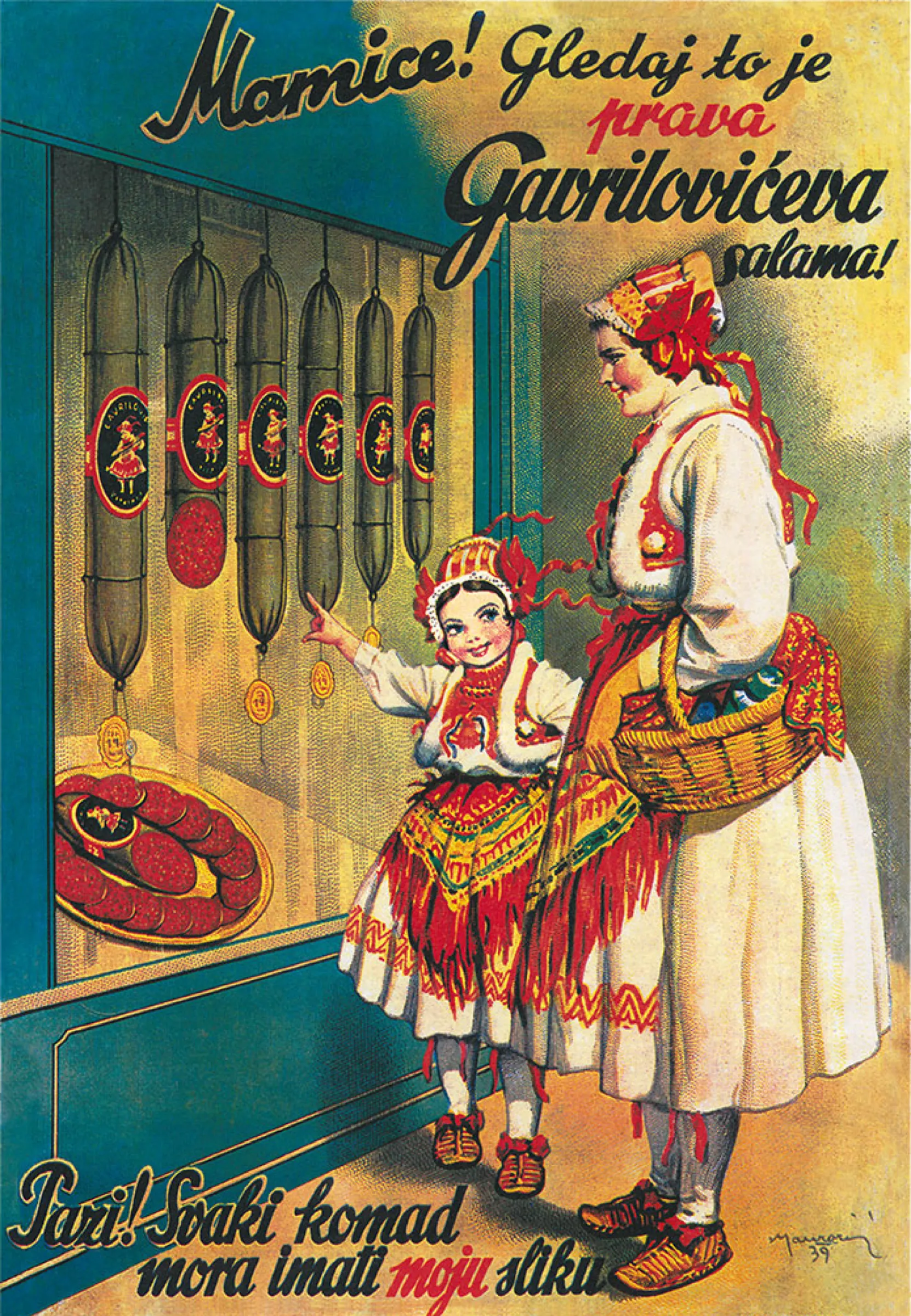
Andrija Maurović, 1939.

Retro design is particularly popular nowadays with many artists going back to the roots. Maurović’s poster from 1939 seems resistant to passage of time and from a marketing perspective still works great, even today.

Father of Croatian comics, Andrija Maurović, gave Jelica the form that we have been recognizing for generations back in 1931. This timeless design has become an icon that combines tradition with the contemporary.

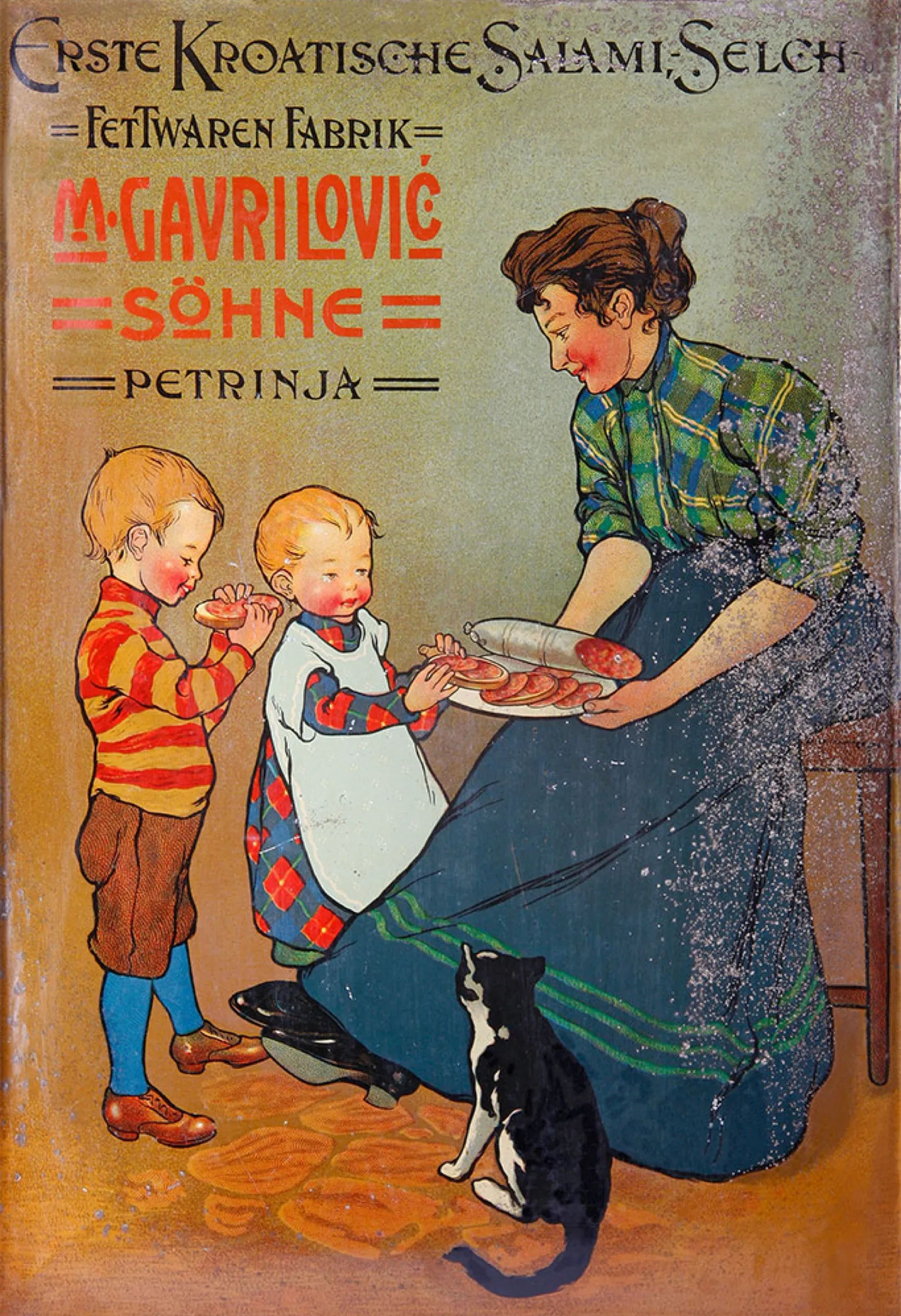
Unknown author, 1900 year

During the Austro-Hungarian era, better part of promotional materials were in German. Although a product of local artists, aesthetics are recognizably Germanic.

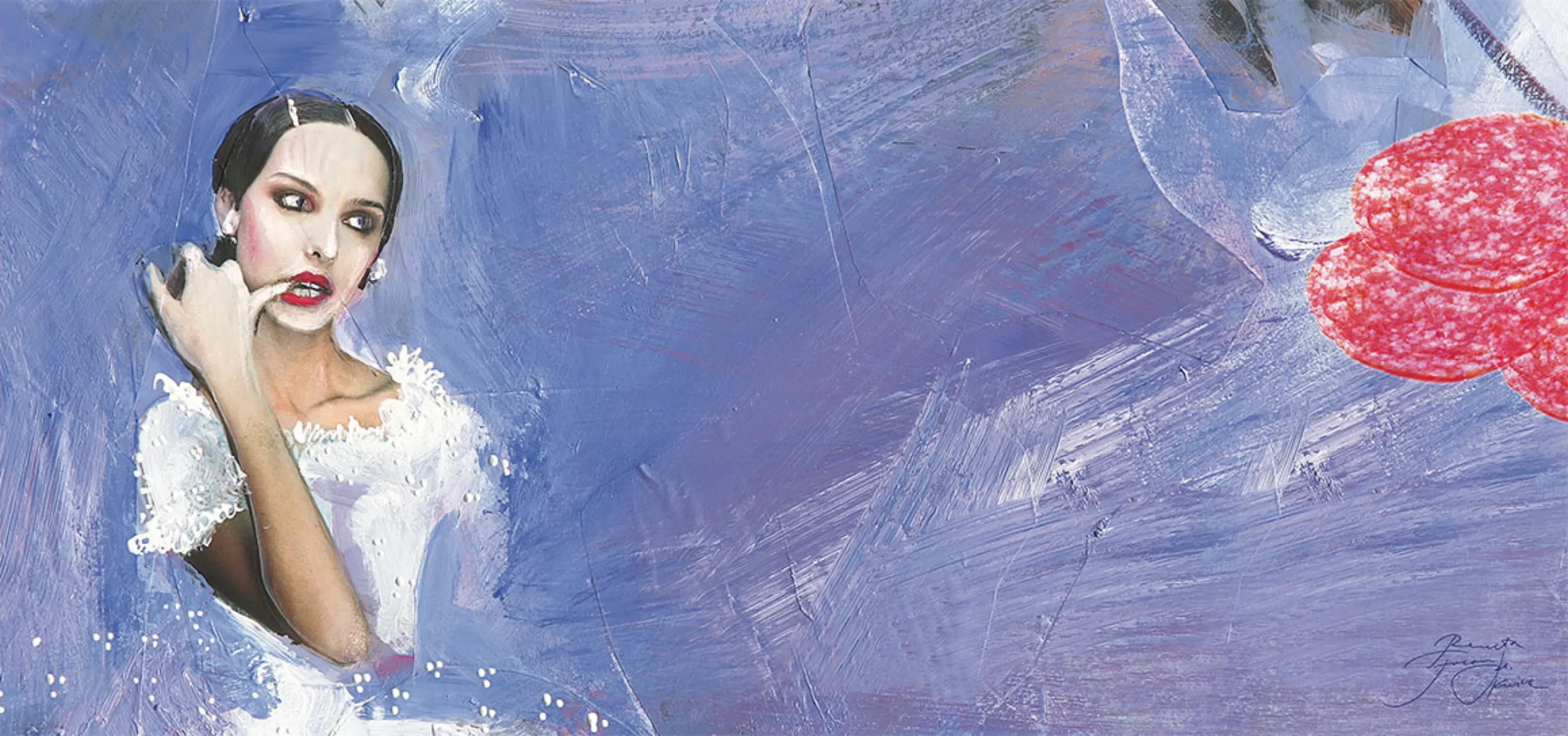
Renata Facan PL. Kušec

Passion or hunger? A different outlook on Winter Salami.

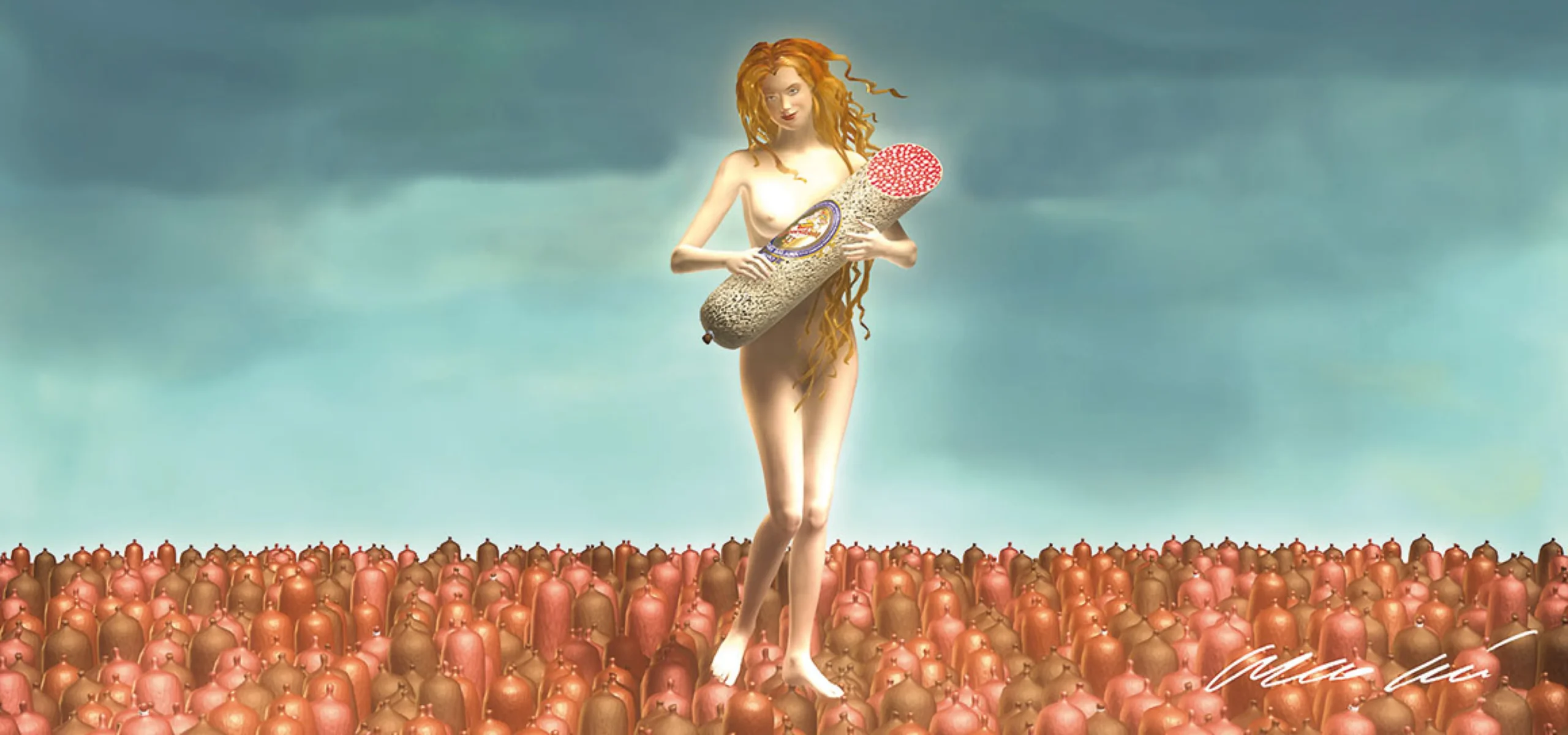
Mirko Ilić

Even in a sausage forest, one always has a favorite. Again, it is impossible to confuse Ilić with any other author.

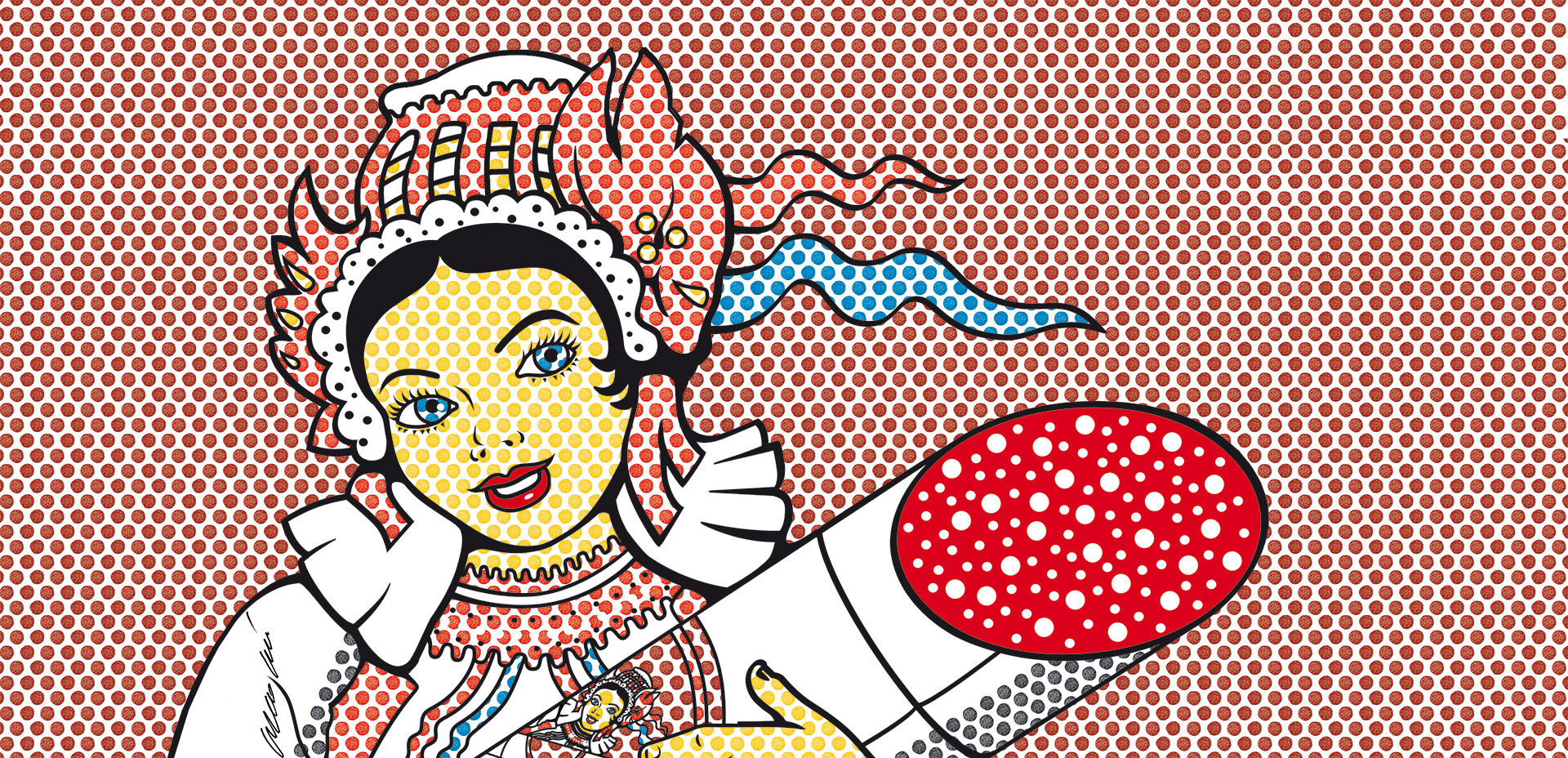
Mirko Ilić

Mirko Ilić’s distinctive style highlights dynamism and a playful interplay of motifs. Traditional folkloric elements receive a pop-art treatment, while the composition appears both lively and powerful. The work celebrates tradition through the language of contemporary visual culture.

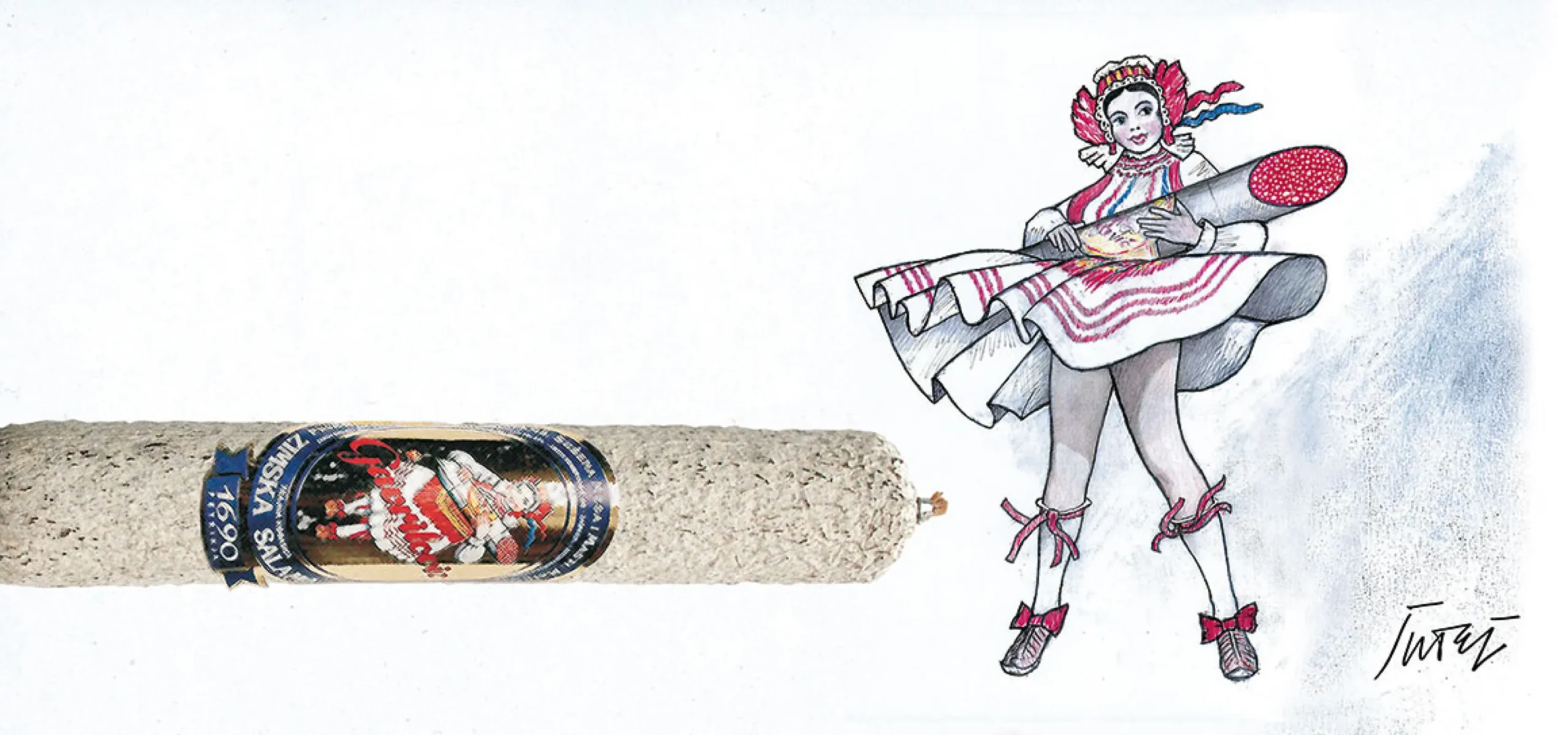
Miroslav Šutej

The great master of mobile graphics turns optical elements into tactile ones. Jelica has also matured somewhat, along with Gavrilović’s experience in the meat industry. But just like our author here, our deviation from the main topic has been very subtle.

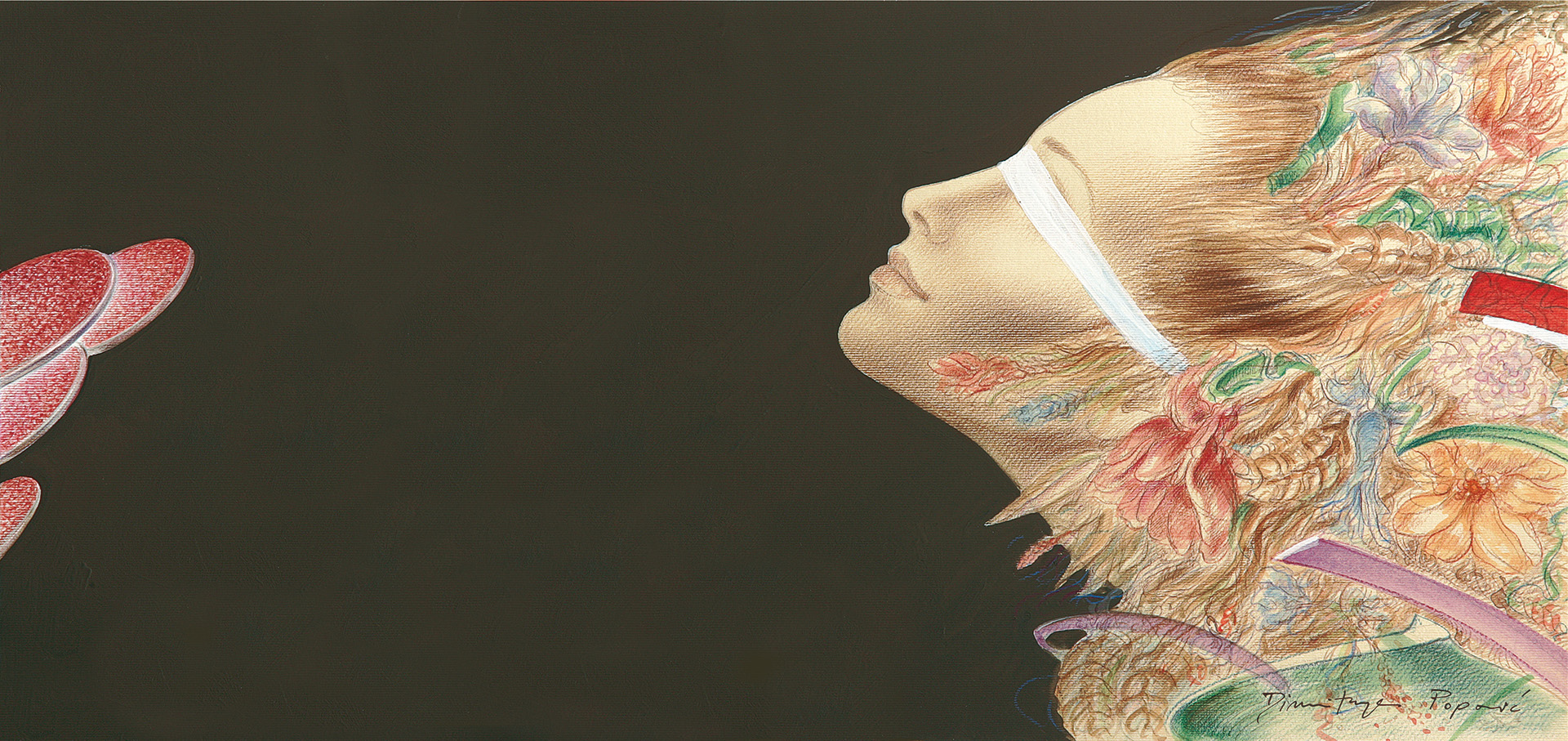
Dimitrije Popović

In the work Dimitrije Popović created for Gavrilović, the female figure with closed eyes transforms into a dynamic interplay of colors, floral motifs, and precise lines. The realistic portrait is combined with imaginative details that extend beyond the boundaries of the classical figure.